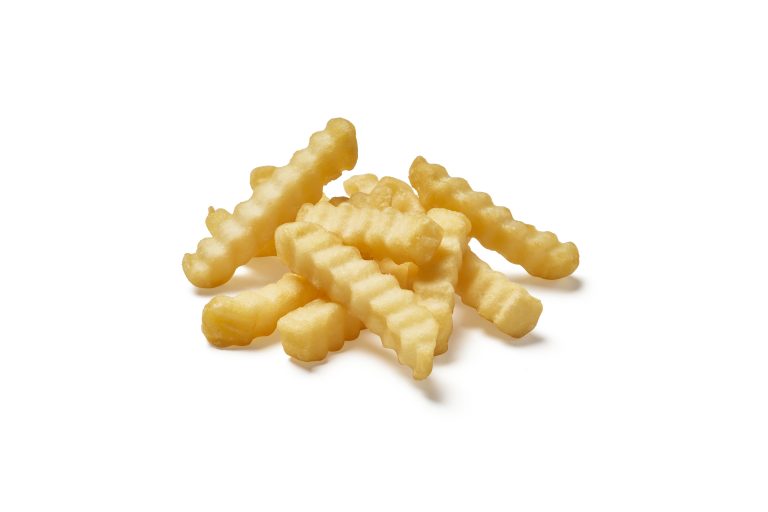
Bakteri modifye transfòme lanmidon pòmdetè an byoplastik biodégradab nan jis 24 èdtan.

Takeaways kle yo
- PHB bioplastic made directly from raw potato starch
- Single fermentation step, 24 hours
- Bacillus subtilis edited with CRISPR-Cas9
- amyQ gene added to encode alpha-amylase
- PHB reached 51.8% of cell dry weight
Poukisa li enpòtan
- Pou procesè yo
- Starch as feedstock for bioplastic is a second outlet for the same raw material that supplies food-grade starch.
- Pou envestisè yo
- Single-step fermentation is where the cost case sits — the multi-stage process is what has kept PHB expensive.
Rezime 60 segonn
Researchers at the University of Barcelona have produced polyhydroxybutyrate (PHB), a biodegradable bioplastic, directly from raw potato starch in a single fermentation step lasting 24 hours — bypassing the multi-stage procedures the process normally requires. The organism is Bacillus subtilis, a safe and widely used industrial bacterium, modified with CRISPR-Cas9 by introducing the amyQ gene encoding alpha-amylase, which lets it break down starch and convert it to PHB in one integrated step. Laboratory results gave 11.3 g/L of biomass and 5.8 g/L of PHB, with the polymer accounting for 51.8% of cell dry weight — figures the authors describe as competitive with commercial standards. Because PHB comes from renewable material and is fully biodegradable, the route is presented as an alternative to petroleum-based plastics that lowers both carbon footprint and persistent waste. These are laboratory yields, not industrial output.
Nan yon gwo pa annavan pou rezoud kriz polisyon plastik mondyal la, chèchè nan Inivèsite Barcelone devlope yon nouvo metòd pou pwodui byoplastik biodégradab ki gen gwo valè—poliidroksibutirat (PHB)—dirèkteman apati lanmidon pòmdetè kri. Pwosesis la, ki pran sèlman 24 èdtan nan yon sèl etap fèmantasyon, evite pwosedi konplèks plizyè etap ki tradisyonèlman nesesè yo. Dekouvèt sa a ofri yon estrateji pwomèt pou diminye gwo depandans mond lan sou konbistib fosil pou pwodiksyon plastik epi pou diminye dechè plastik pèsistan ki akimile nan depotwa fatra ak oseyan yo, toutpandan y ap diminye emisyon gaz ki lakòz efè tèmik ki asosye ak ensinerasyon plastik konvansyonèl la.
Nan kè inovasyon sa a se bakteri a. Bacillus subtilis, yon mikwo-òganis endistriyèl ki an sekirite epi ki lajman itilize. Lè yo te itilize zouti modifikasyon jèn CRISPR-Cas9 la, syantis yo te modifye metabolis bakteri a lè yo te entwodui jèn amyQ la, ki kode anzim α-amilaz la. Chanjman jenetik sa a te pèmèt bakteri yo kraze lanmidon avèk efikasite epi konvèti li an PHB nan yon sèl etap entegre. Rezilta laboratwa yo te enpresyonan, yo te bay 11.3 g/L byomas ak 5.8 g/L PHB, ak polymère a ki reprezante 51.8% nan pwa sèk selil yo—chif ki totalman konpetitif ak estanda komèsyal aktyèl yo. Piske PHB sòti nan resous renouvlab epi li totalman biodégradab, teknoloji sa a reprezante yon altènatif solid ak ekolojik pou plastik ki baze sou petwòl, ede diminye tou de anprint kabòn nan ak akimilasyon dechè pèsistan nan lanati.
Rezime Mondyal sou Pòmdetè
Senk pi gwo istwa yo, pri yo, alèt maladi yo ak evènman yo. Maten jou lasemèn yo, pa gen piblisite.
Sous
- University of Barcelona research — named in the article
Lyen nan materyèl sa a
- peyi
- Espay
- Konpayi
- Inivèsite Barcelone
- Seksyon
- Ekipman pou procesnaD '
Istwa ki gen rapò
Chèchè Ewopeyen yo sèvi ak enpregnasyon vakyòm ak ekstrè bèmagot pou konbat mawonaj nan pòmdetè ki fèk koupe.
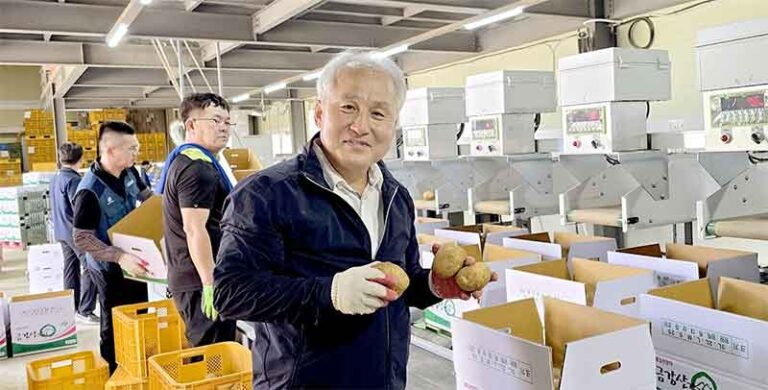
Triyè pòmdetè teknoloji avanse triple kapasite pwosesis nan Koperativ Agrikòl Goseong la