Soti nan yon startup garaj rive nan yon antrepriz agrikòl: Kijan Azi Santral kiltive pòmdetè pafè a pou koupe an ti moso
Takeaways kle yo
- Kirby started in 1997 in a rented garage
- Founders: a process engineer and a philosophy teacher
- Now employs around 200 people
- German delegation visited Kyrgyzstan in 2000
- German processor offered expertise, not money
Poukisa li enpòtan
- Pou procesè yo
- Chipping quality starts with the raw material specification, and this is a case of the specification arriving through technology transfer rather than being developed locally from scratch.
Rezime 60 segonn
The Kyrgyz agribusiness Kirby began in 1997 with a married couple — a process engineer and a philosophy teacher — frying chips on a stove in rented garage space, and now employs around 200 people. The turning point came in 2000, when a delegation of German industrialists visited Kyrgyzstan and Mr Stöver, then owner of a major German potato processing company, noticed what they were building. What he offered was not investment but transfer: comprehensive expertise and technology. The early focus on quality and standards is what carried the business through its first difficult years.
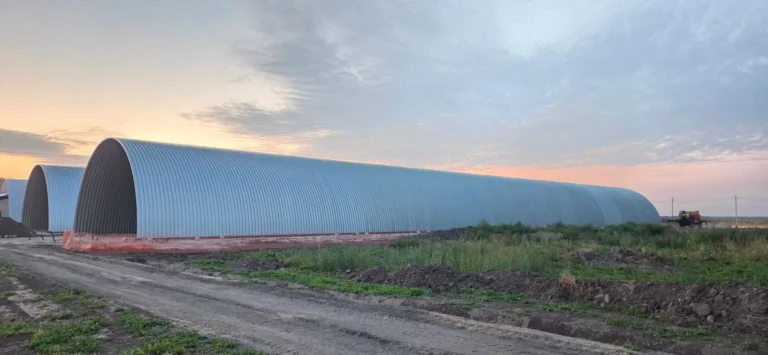
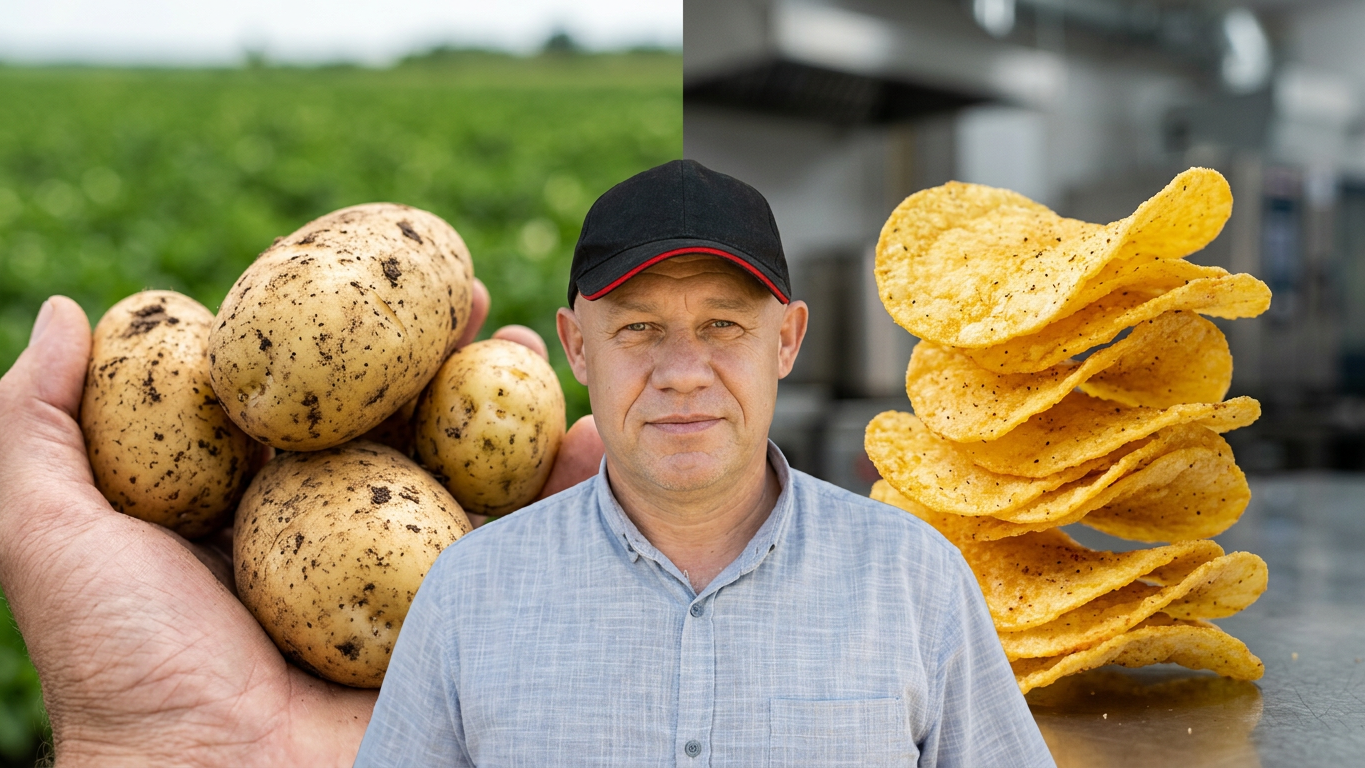
Central Asia is continuing to unlock its massive agricultural potential, surprising even seasoned industry experts. A true gem of this region is Kyrgyzstan, where unique natural conditions meet incredible human perseverance. A prime example is the agribusiness company “Kirby,” whose journey from frying potato chips in a rented garage to becoming an enterprise with around 200 employees deserves international attention.
A Historic Turning Point: From a Frying Pan to German Technologies
The story of “Kirby” began in 1997. A married couple—a process engineer and a philosophy teacher—entered the food production business, quite literally frying chips on a stove in a rented garage space. Their immediate focus on quality and standards helped them survive the difficult early years.
Jou lasemèn. Dezabòne ak yon sèl klike.
A major breakthrough occurred in 2000 when a delegation of German industrialists visited Kyrgyzstan. Mr. Stöver, the late owner of a major potato processing company in Germany, noticed their efforts. Rather than simply handing out money, he offered something far more valuable: comprehensive methodological assistance. He sent specialists, high-quality seeds, and taught the local team how to properly grow and store potatoes for processing. This support allowed “Kirby” to rent land from local collective farms, eventually purchasing their own land in 2008 to build modern irrigation systems and potato storage facilities from scratch.
The Unique Terroir of the Issyk-Kul Region
Today, the heart of the company’s agricultural operations lies in the Eastern Issyk-Kul region. This location is an absolute treasure for potato seed production.
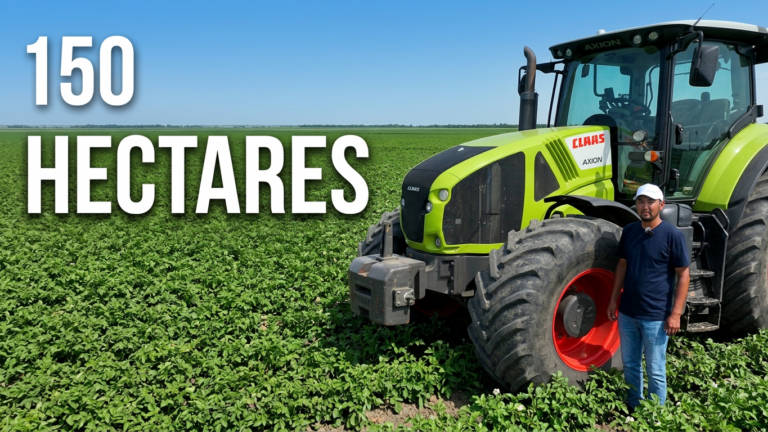
According to local experts, the area features a completely unique ecological combination of three climates: mountain, steppe, and maritime. This creates exceptional potential for growing high-quality seed potatoes. Currently, the company manages a 30-hectare field planted with the “Napoleon” variety from the Dutch breeder Agrico, alongside varieties from Solana and Meyer. As the agronomists proudly note, the crop fully lives up to its ambitious name.
Agronomy Defying the Drought: Irrigation and Crop Protection
Growing chipping potatoes in this environment requires surgical precision. Chief Agronomist Roman Viklenko points out that natural precipitation is scarce, averaging only about 350 mm per year.
The foundation of their success under these arid conditions is regular irrigation. During dry spells, turbo-drum strip irrigators work almost continuously, returning to the same spot every three days to apply 30 mm of water. Soil preparation is rigorous: autumn plowing is accompanied by the application of phosphorus, potassium, and sulfur. In spring, fields undergo deep loosening and vertical milling before planting begins in late March or early April.
Farming here is not without its challenges. Unusually cold springs can lead to severe outbreaks of Rhizoctonia, forcing the team to apply preventive treatments weekly. However, the results speak for themselves: while early digging in July for immediate processing yields 20-25 tons per hectare, the mass harvest in early September reaches an impressive average of 40 tons per hectare.
People Are the Ultimate Resource
Technology and climate mean little without professionals who are truly passionate about their work. Agronomist Sergey Cherepashkin perfectly encapsulates the company’s philosophy: “You have to look after the potato like a child. Even within the same variety, every single bush behaves differently… I want to come to the field, look at it with confidence, and say that it is gorgeous”.
The experience of the “Kirby” agribusiness proves that Central Asia is not just a promising consumer market, but a powerful foundation for building full-cycle potato clusters—from seed propagation to the finished bag of chips.
Rezime Mondyal sou Pòmdetè
Senk pi gwo istwa yo, pri yo, alèt maladi yo ak evènman yo. Maten jou lasemèn yo, pa gen piblisite.
Lyen nan materyèl sa a
- peyi
- Kyrgyzstan
- Konpayi
- Kirby
- Teknoloji
- Chip processingTransfè teknoloji
- Seksyon
- IPTAziIstwa CompanyNouvèlrejyon