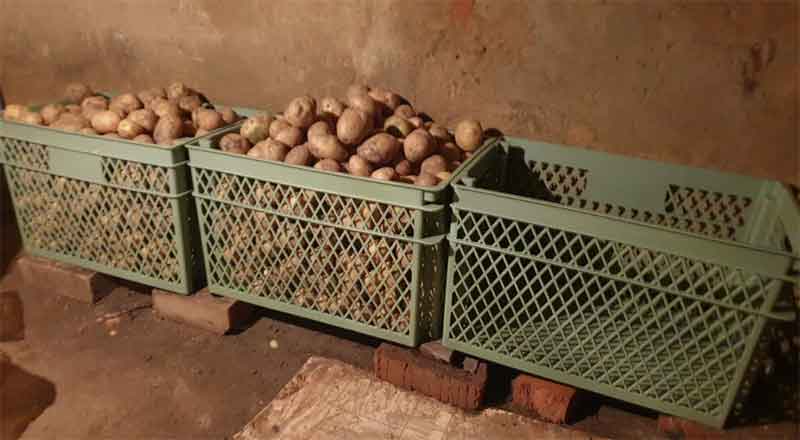
Kontenè Polymè yo parèt kòm yon altènatif ki dire pi lontan pase bwat an bwa pou depo pòmdetè.
Takeaways kle yo
- 2-3x longer lifespan for polymer bins vs wooden crates
- 1.5-2% cut in produce shrinkage seen in early trials
- 1.3 tonnes: capacity of the Ai-Plast/SIBUR test bins
- 2026: shift to polymer bins discussed at AGRAVIA expo
Poukisa li enpòtan
- Pou kiltivatè yo
- If wooden-bin replacement or sanitation costs are a concern, the cited 1.5-2% shrinkage reduction and 2-3x lifespan are figures worth checking once the Ai-Plast/SIBUR trials conclude.
- Pou founisè
- Container and packaging suppliers can track the Ai-Plast/SIBUR 1.3-tonne polymer bin trial as a potential wooden-crate replacement to stock.
- Pou envestisè yo
- SIBUR's move into 1.3-tonne storage containers with Ai-Plast is an early signal of petrochemical diversification into ag-storage hardware worth monitoring.
Rezime 60 segonn
At the AGRAVIA 2026 exhibition, industry participants discussed a shift toward polymer containers for potato storage in place of wooden bins. Presenters said plastic bins last two to three times longer than wooden ones and are considerably easier to clean and sanitize, which matters both for hygiene and for limiting disease carryover between storage seasons. Trial results cited at the event point to a 1.5-2% reduction in produce shrinkage, a meaningful gain given the volumes commercial operations handle. The company Ai-Plast, working with petrochemical group SIBUR, is currently testing containers with a 1.3-tonne capacity. The article frames this as part of a broader move to modernize post-harvest infrastructure and adopt materials that better support quality retention and operational efficiency. It gives no completion date for the Ai-Plast/SIBUR trials, no price comparison with wooden bins, and no named independent test body beyond "presentations" at the exhibition.
At the AGRAVIA 2026 exhibition, industry participants discussed a shift toward polymer containers for potato storage. According to the presentations, plastic bins last two to three times longer than wooden ones and are considerably easier to clean and sanitize—an important factor for maintaining hygienic conditions and reducing the risk of disease carryover between storage seasons. Trial results also indicate a reduction in produce shrinkage of 1.5–2%, a meaningful gain given the volumes handled by commercial potato operations.
Rezime Mondyal sou Pòmdetè
Senk pi gwo istwa yo, pri yo, alèt maladi yo ak evènman yo. Maten jou lasemèn yo, pa gen piblisite.
Ki sa kap vini an
No date is given for when the Ai-Plast/SIBUR container trials will conclude or when polymer bins might see wider commercial adoption.
Sous
- Presentations at the AGRAVIA 2026 exhibition, attributed to unnamed industry participants; commercial link disclosed: Ai-Plast and SIBUR are named as the companies testing the containers.
Lyen nan materyèl sa a
- peyi
- Larisi
- Konpayi
- Ai-Plast; SIBUR
- Evènman
- AGRAVIA 2026
Istwa ki gen rapò
Etyopi: Pwodiksyon pòmdetè ogmante dis fwa depi 2000 pou rive nan 4.09 milyon tòn

Pòmdetè rekòlte nan lapli a: Kijan pou seche rekòt la epi kenbe l nan depo