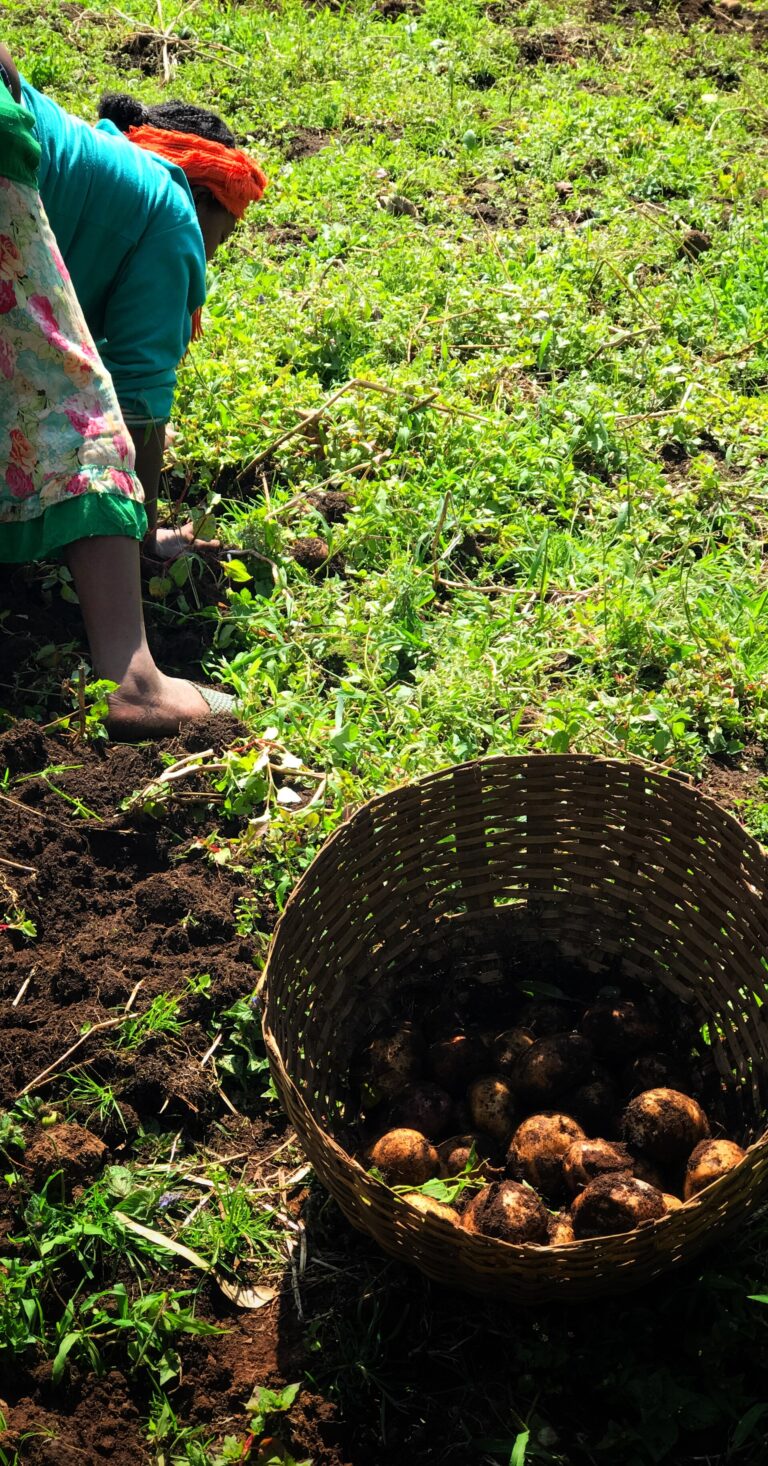
Start-up Kebèk ExclusiVert devlope yon inite mobil pou transfòme pòmdetè dechè an byoplastik.
Takeaways kle yo
- 600,000 tonnes of Canadian potatoes are wasted each year
- 10% of the annual harvest is the share that goes to waste
- 3 of Quebec's largest farms will host the 2026 pilot
- 2026 harvest is when the mobile unit is first tested
Poukisa li enpòtan
- Pou kiltivatè yo
- If you carry a regular reject volume, ask ExclusiVert for the throughput and the per-tonne economics before the 2026 pilot fills up - the saving claimed here is avoided haulage, which only counts if your reject pile is far from a processor.
- Pou procesè yo
- A unit that takes starch out at the farm gate competes for the same substandard tonnage some plants buy cheaply. Worth knowing what it pays growers before the 2026 season sets a reference price in Quebec.
- Pou envestisè yo
- The claims are all pre-pilot: no throughput, no unit economics, no independent check on the 600,000-tonne waste figure. Treat the 2026 season at three farms as the first real datapoint, not as confirmation.
Rezime 60 segonn
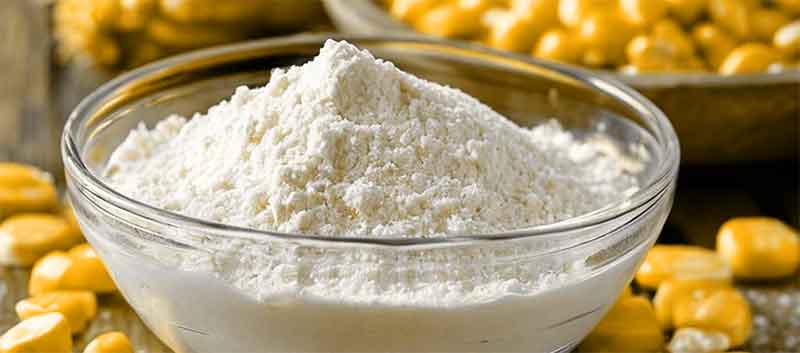
ExclusiVert, a startup based in Quebec, has built a mobile processing unit meant to work on the farm itself, handling potatoes that fall below grade. Roughly 10 percent of Canada’s annual potato harvest - about 600,000 tonnes - is wasted, and the company wants to turn that into a saleable stream. The unit extracts starch from rejected tubers, and that starch can go into bioplastics and paper. Doing it where the crop sits removes the need to haul waste potatoes over long distances, which the company presents as a saving in both cost and emissions for growers. A pilot is planned for the 2026 harvest season at three of the largest farms in Quebec. Everything beyond that is conditional: the article offers no throughput figure for the unit, no price for the starch, no cost to the grower, and no independent verification of the waste estimate. If the pilot works, the approach is described as scalable across Canada and further.
Rezime Mondyal sou Pòmdetè
Senk pi gwo istwa yo, pri yo, alèt maladi yo ak evènman yo. Maten jou lasemèn yo, pa gen piblisite.
Ki sa kap vini an
A pilot launch is planned for the 2026 harvest at three large Quebec farms. The article states the model could scale across Canada and beyond only if that pilot succeeds, and gives no date for a wider rollout.
Sous
- The report is built on the company’s own account of its technology and plans. No independent testing, customer or throughput data is cited, and the 10 percent waste figure is given without a source.
Lyen nan materyèl sa a
- peyi
- Kanada
- Konpayi
- ExclusiVert
- Seksyon
- NouvèlAmerikLAVNIProcessing
Istwa ki gen rapò
Peyi Ba: Kiltivatè grenn Friesland kenbe Annabelle pwòp pandan senk jenerasyon san minitubèr.
Pri pòmdetè mondyal yo, semèn 39: Ewòp ap fèm sou yon rekòt kout pandan Azi rete twòp.