Repare oswa Ranplase: Kijan Fèm Ris yo Kenbe Machin Rekòlte Pòmdetè Enpòte yo Ap Fonksyone an 2026
Takeaways kle yo
- 6 to 8 weeks: Russia's typical potato harvest window
- Since 2022, European makers curbed parts supply here
- 6 harvester brands now get aftermarket parts locally
- Tens of millions of roubles buys one new harvester
Poukisa li enpòtan
- Pou kiltivatè yo
- Stock a critical spares kit before peak harvest: days of downtime cost more than most repairs, and lead times on original European parts can now outrun the harvest window.
- Pou founisè
- Aftermarket belts, rollers, driveshafts and flow-distributor alternatives for Grimme, Dewulf, AVR, Ropa, Holmer and WIC machines are a growing local market worth expanding into.
Rezime 60 segonn
Since 2022, direct parts supply from European potato-harvester makers such as Grimme, Dewulf, AVR, Ropa and Holmer into Russia has been restricted, pushing up prices for original components and stretching lead times close to or past the country's six-to-eight-week harvest window. One official channel is parallel import under a Ministry of Industry and Trade list, though routing through third countries adds time and cost. In response, a domestic market for aftermarket and remanufactured parts is growing, covering belts, rollers, driveshafts and universal joints for Grimme, Dewulf, AVR, Ropa, Holmer and WIC machines, while workshops increasingly restore worn components instead of replacing them. Operators also report swapping factory hydraulic flow distributors for cheaper, electronic third-party alternatives. With new harvesters costing tens of millions of roubles, many farms favour used equipment where a repair or parts channel exists, weighing parts cost against downtime cost.
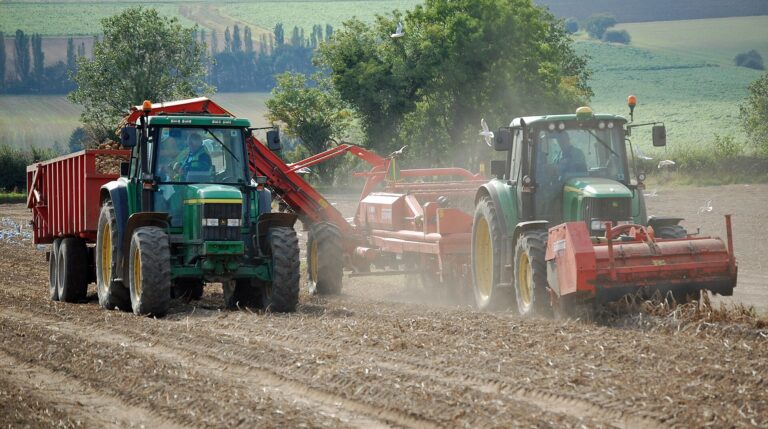
At the height of the 2026 harvest, more Russian potato farms are betting on restoring existing components for imported harvesting equipment rather than buying new original parts: factory parts for European-brand combines remain expensive and hard to schedule reliably, while downtime during peak harvest weeks costs more than almost any repair.
A supply squeeze, and why
Since 2022, direct parts supply from European potato harvester manufacturers — Grimme, Dewulf, AVR, Ropa, Holmer and others — into Russia has been restricted. Official dealer networks continue to operate, but prices for original components (flow distributors, drive shafts, conveyor belts, star rollers) have risen noticeably, and lead times can easily outrun the narrow harvest window, which in most Russian regions runs just six to eight weeks.
Parallel imports and a growing parts market
One official supply channel is parallel import, operating under a list maintained by the Ministry of Industry and Trade, which allows original parts to be brought in without the rightsholder’s direct consent. But routing shipments through third countries adds both time and cost. In parallel, Russia’s market for aftermarket and remanufactured components for potato harvesting equipment is growing: manufacturers have started producing conveyor belts, rollers, driveshafts and universal joints for Grimme, Dewulf, AVR, Ropa, Holmer and WIC machines, while specialist workshops now offer restoration of worn parts instead of straight replacement.
Jou lasemèn. Dezabòne ak yon sèl klike.
Farm practice: repair over replacement
In industry discussions, machine operators increasingly describe restoring components themselves: drive shafts and bearing units get reconditioned at specialised workshops, conveyor belts and rollers are repaired or remade in-house, and failure-prone assemblies — such as the haulm-remover conveyor — get retrofitted with protective ratchet mechanisms that extend service life several times over. A separate trend is replacing factory hydraulic flow distributors with electronically controlled third-party alternatives; users report they match original performance while costing noticeably less.
The economics
New machines are more advanced and easier to maintain, but they are out of reach for many operations — a new potato harvester runs into the tens of millions of roubles. For many farms, buying used equipment makes more sense, provided parts are available and a repair or restoration channel is in place. The economics of that choice are counted not just in money spent on parts, but in hours of downtime: if a repair takes days during peak harvest, it is often cheaper to stock a critical spares kit in advance.
Poukisa li enpòtan
Maintenance availability and cost are becoming as important a purchase criterion for farms as the sticker price of the machine itself. Decisions about buying new equipment, buying used, or upgrading an existing fleet with aftermarket components directly affect how resilient the harvest campaign is — and what it costs to bring the crop in.
Pratikan yo te soulve sijè a nan chat mesaje MAX la. «КАРТОФЕЛЬ И Т.Д. (Pòmdetè elatriye)», yon kominote ki gen plis pase 1,100 kiltivatè pòmdetè ak espesyalis nan endistri a. Patisipan yo pa nonmen. Antre nan diskisyon an.
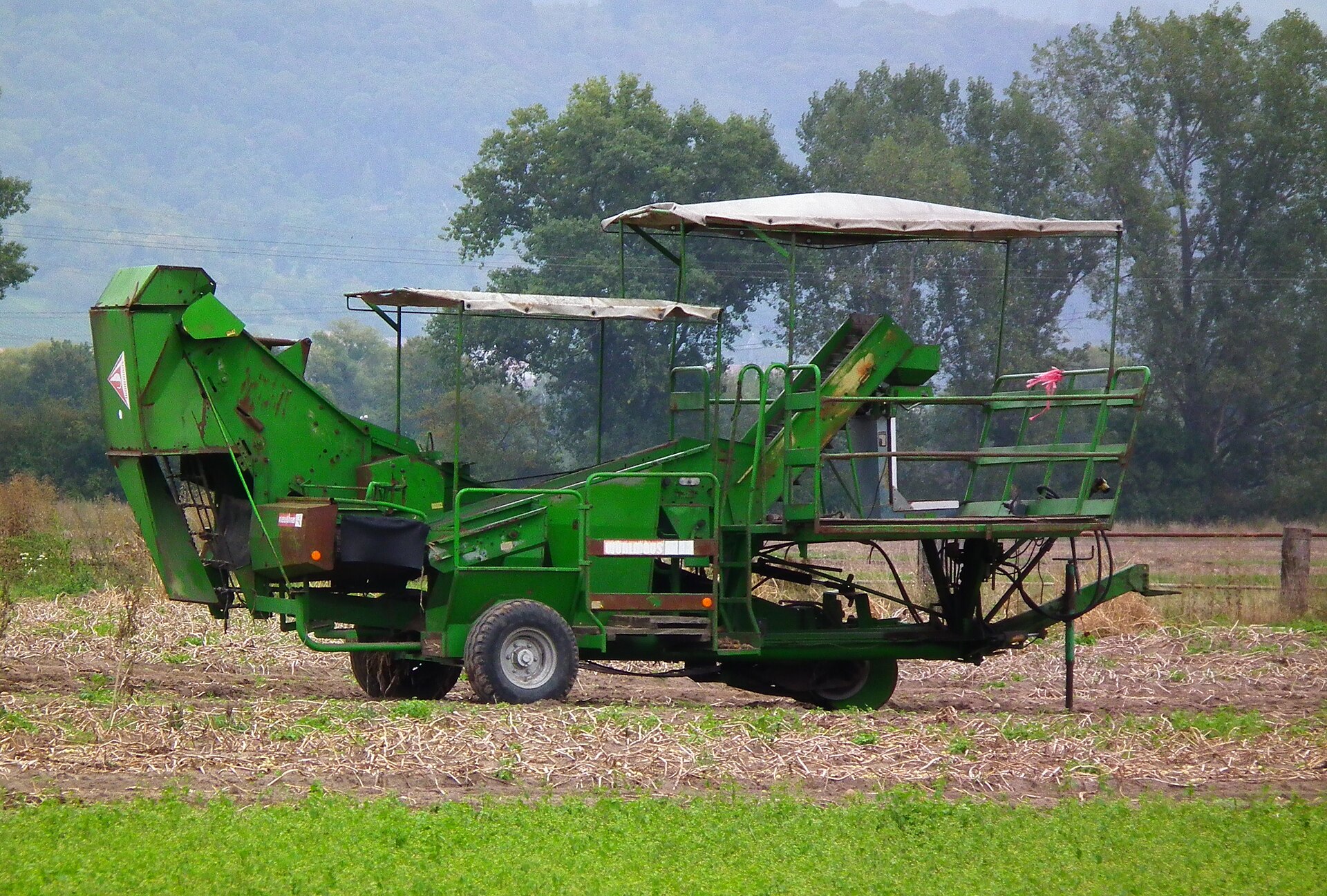
Photo: potato harvester (illustrative). 4028mdk09 / Wikimedia Commons, CC BY-SA 3.0 (dosye, lisans)
Rezime Mondyal sou Pòmdetè
Senk pi gwo istwa yo, pri yo, alèt maladi yo ak evènman yo. Maten jou lasemèn yo, pa gen piblisite.
Sous
- MAX chat «КАРТОФЕЛЬ И Т.Д. (Pòmdetè elatriye)» — https://max.ru/join/SViX6IyOKuJHB6-xuuepbMbts_zk4eiEYdXUpUWVu28
- GARANT.RU: Russia's Ministry of Industry and Trade updates the parallel-import goods list — https://www.garant.ru/news/1918496/
- EkoNiva Tekhnika-Holding: Grimme parts — https://parts.ekoniva-tekhnika.com/brands/grimme/
- CARDAN.SU: 2026 parts catalogue for Grimme farm equipment — https://cardan.su/catalog/grimme/
- AgroTechnoService: repair and parts for Grimme potato and vegetable harvesters — https://www.agriparts.ru/technics/plant-care/kartofel/
Lyen nan materyèl sa a
- peyi
- Larisi
Istwa ki gen rapò

Larisi: AGROSALON 2026 Agrikòl Machin Montre a ap louvri nan Moskou soti 6 rive 9 Oktòb
Anviwònman Separasyon sou yon Machin pou Rekòlte Pòmdetè: Kijan Twous Rezen ak Ajitasyon Pwoteje Rekòt la